Monitoring and predicting subsurface processes in the context of environmental engineering: reducing uncertainties or accepting them?
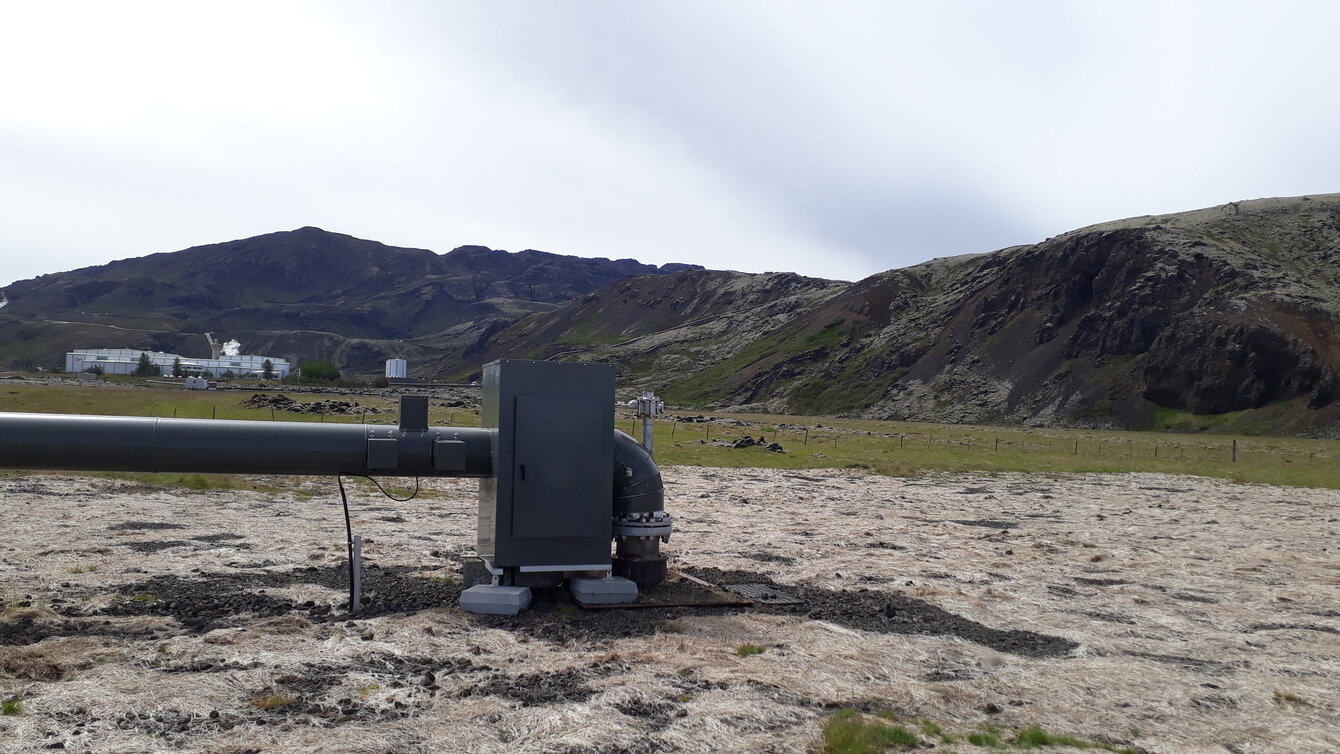
Subsurface processes are invisible, heterogeneous and dynamic. We also know there is a gap between processes studied in the laboratory and the field reality. Therefore, our understanding of these processes and our ability to predict them – and even monitor them – at a given field site is limited. Traditional ways to treat subsurface uncertainties typically involve translating them into financial risk, e.g. in oil & gas, mining or geothermal exploration. However, this approach is ineffective to assess environmental risks, all-the-more in the context of environmental engineering (e.g. in-situ remediation, carbon storage) where the primary stated aim is not financial profit, but rather environmental or health benefit. In this presentation, I will focus on subsurface processes, monitoring challenges and environmental risks relating to the storage of H2S and CO2 in (ultra)mafic rocks via mineralization into metallic sulfides and carbonate minerals. I will first present results and lessons learnt from the GEMGAS project, where geophysical and geochemical datasets were jointly modelled in an attempt to reduce the monitoring uncertainty of H2S storage. Then I will share a preliminary analysis of this uncertainty-in-environmental-engineering problem that questions the ability of conventional science to ever reduce all uncertainties, focusing on CO2 storage in the context of the on-going interdisciplinary GeoSPAS project.
Learn more about the (past) GEMGAS project: https://www.youtube.com/watch?v=e9tYZQkFx00
And about the (on-going) GeoSPAS project: https://portal.research.lu.se/en/projects/integrated-geological-and-sociopolitical-assessment-of-storage-so